


How to Choose the Right Floating Shelf for Your Space
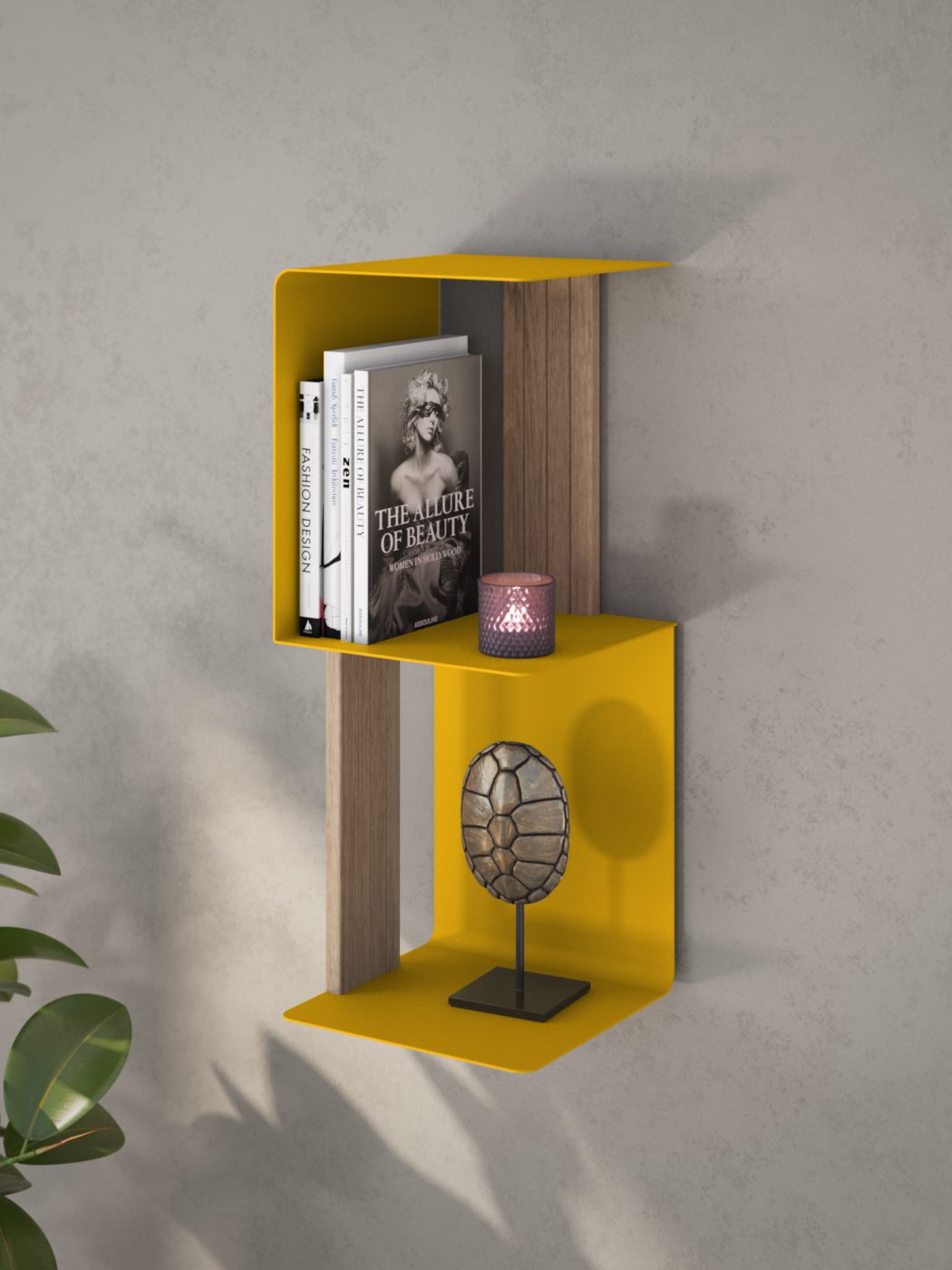
A floating shelf is one of the easiest ways to make a space feel more organized and visually interesting, without taking up any floor space. Because it looks like such a simple piece of furniture, a lot of people underestimate how much actually goes into choosing the right one: the size, how much weight it can hold, and how securely it mounts to the wall.
This guide walks through the factors that actually matter, so your shelf looks good on day one and still holds up years down the line.
What exactly is a floating shelf?
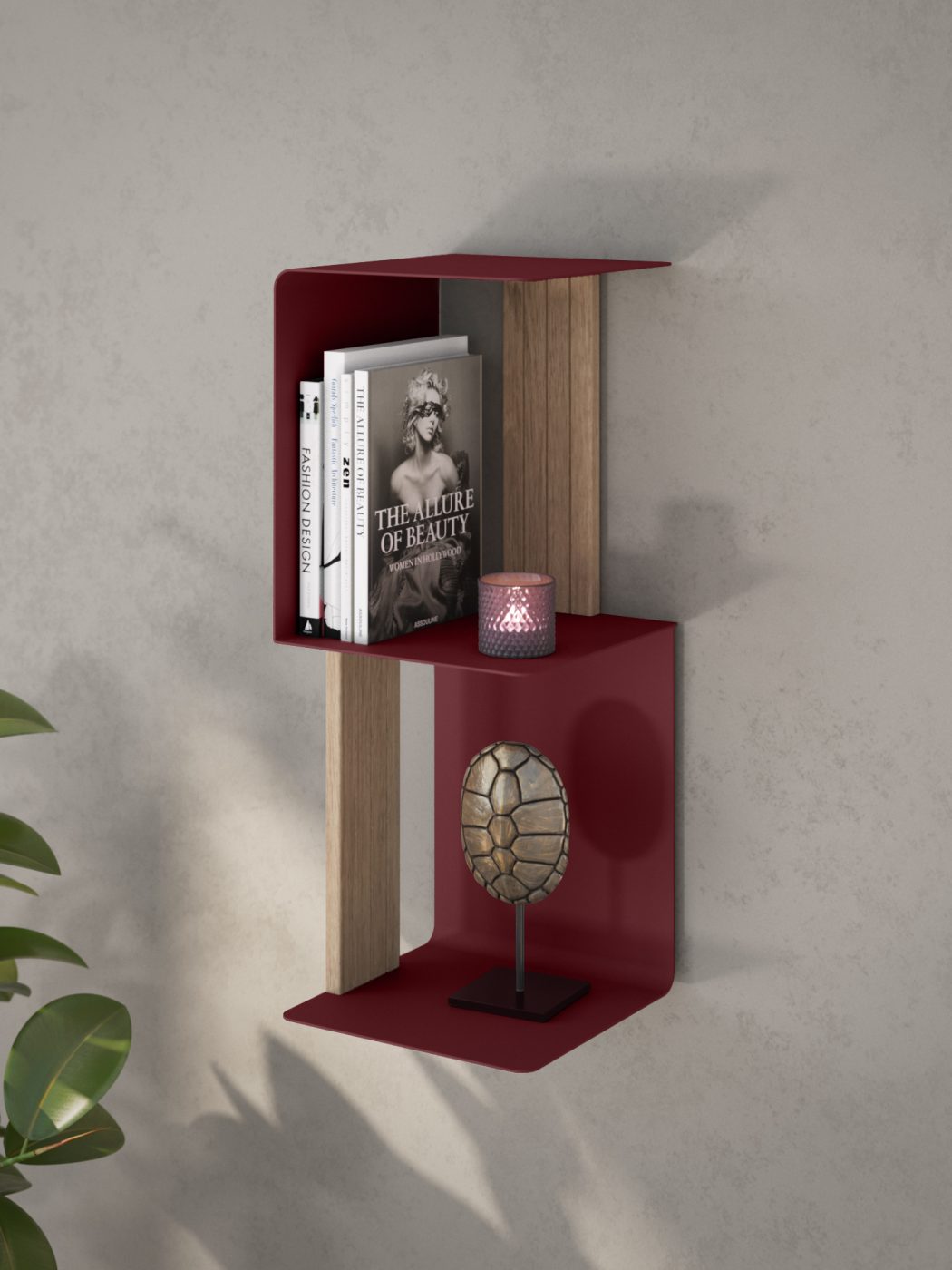
A floating shelf is a wall-mounted storage piece with no visible bracket or leg. The mounting hardware is hidden inside the wall, so the shelf appears to float directly on the surface. That’s the main difference from traditional bracket shelves, where the support structure stays visible and the overall look is less clean.
Floating shelves are most commonly used in living rooms, kitchens, bedrooms and hallways, for decor, books, kitchen tools or smaller storage needs. They come in metal, wood, particleboard, MDF or glass, and the material directly determines how much weight they can hold and how long they’ll last.
Get inspired by modern living rooms and shelving solutions
What size floating shelf should you choose?
Two things really drive sizing: the wall space you have, and what you plan to put on it.
- For smaller items (decor, books, small plants), a 60–80 cm shelf is usually enough.
- For larger surfaces (under a TV, kitchen tools, bigger décor pieces), 100–150 cm gives you genuinely usable space.
- Depth: 20–25 cm covers most everyday items, but if you’re planning to store books or larger kitchenware, look for 30 cm or deeper options.
Weight capacity: the detail people skip until it’s too late
This is the detail most people only think about once a shelf starts to sag. Weight capacity depends on the material, but also on how it’s mounted and what kind of wall it’s going into.
Browse our metal floating shelf collection and find the perfect fit for your space
A few things to keep in mind:
- Material: a metal floating shelf typically holds significantly more weight than a thinner particleboard or MDF version, especially for longer lengths.
- Mounting type: a hidden rod-mounting system, where a metal rod goes into the wall and the shelf slides onto it, is generally more stable than a traditional bracket, especially for heavier items.
- Wall type: solid brick or concrete walls support more weight than drywall. If you’re mounting into drywall, always check whether the manufacturer lists a separate weight rating for that case.
Hidden mounting vs. traditional brackets
Hidden-bracket floating shelves are pretty much essential now if you actually want that floating look. With traditional visible brackets, the support arm is always in view, which breaks up an otherwise clean, minimal look.
Benefits of hidden mounting:
- A visually clean surface: nothing distracts from the shape of the shelf itself.
- Better weight distribution on longer shelves, since the full length of the rod supports the load instead of just one or two points.
- Easier to keep clean: no gaps or bracket ends where dust collects.
If you’re not confident about installation, look for a product that comes with a clear, step-by-step mounting guide. It makes a real difference in getting it right the first time.
In practice, hidden mounting works by anchoring a metal rod or frame into the wall, usually at several points, using screws and wall anchors suited to the wall type. The shelf then slides or clips onto this frame and stays firmly in place under its own weight. The process can look more involved at first than putting up a traditional bracket, but the result is far more stable and cleaner-looking, especially when the right hardware is used for the specific wall type.
Metal or another material? What’s worth knowing
The material isn’t just an aesthetic choice. It directly determines durability and weight capacity.
- Metal floating shelves: typically offer the highest weight capacity, won’t warp or crack, and look the same years later as they did on day one. A solid fit for kitchens, living rooms, or industrial-style spaces.
- Particleboard/MDF shelves: a cheaper entry option, but can warp over time with moisture exposure, and generally hold less weight.
- Glass shelves: visually light, but more fragile and limited in weight capacity, better suited to decor than storing heavier items.
If the goal is a shelf that still looks and performs the same in 5–10 years, metal is the safest choice.
It’s also worth distinguishing between finishes on metal shelves. A powder-coated finish is considerably more resistant to scratches and wear than a simple painted surface, and holds its color much better over time. That’s one reason premium metal shelves are almost always finished with powder coating rather than standard paint.
Common mistakes to avoid when choosing a floating shelf
A few mistakes come up again and again with first-time floating shelf buyers. Worth knowing them upfront so you can avoid them.
- Underestimating weight capacity. Many people only check whether an item fits in terms of size, not whether its actual weight fits within the shelf’s rated capacity.
- Ignoring the wall type. The same shelf can have a very different weight capacity on solid brick compared to drywall. Skipping this check is a common source of disappointment later.
- Choosing a long shelf with too few mounting points. The longer the shelf, the more important it is for the mounting to distribute the load properly, otherwise the center tends to sag over time.
- Skipping the installation guide. With hidden mounting in particular, precise hole placement matters a lot, since a poorly drilled hole is hard to fix afterward.
How to take care of your floating shelf long-term
A good-quality metal floating shelf doesn’t need much maintenance, but a few small habits help it look just as good years down the line.
- Wipe it down regularly with a damp, soft cloth, and avoid abrasive cleaning products, since they can damage the finish.
- If the shelf is in a more humid room, such as a kitchen or bathroom, avoid letting water or moisture sit on it for long periods, as this can affect the mounting hardware over time.
- Check the mounting for stability every so often, especially if you’re storing heavier items on it, or if the wall type, like drywall, already comes with a lower weight rating.
Quick summary: what to check before you buy
- Measure your wall space and think through what you’ll actually put on the shelf
- Choose a weight capacity a bit higher than what you think you’ll need
- Prioritize hidden mounting if you want a clean, minimal look
- Think long-term on material: metal is the most durable option
FAQ
How much weight can a floating shelf hold?
This depends heavily on the material, the mounting system, and the wall type. A good-quality metal floating shelf with proper mounting typically holds significantly more weight than a particleboard version. Always check the manufacturer’s specification for the exact rating.
Can you mount a floating shelf on drywall?
Yes, but expect a lower weight capacity than on a solid wall. Use mounting hardware specifically rated for drywall, and check the manufacturer’s drywall-specific weight rating.
What’s the difference between hidden mounting and traditional brackets?
Hidden mounting uses a metal rod inserted into the wall, onto which the shelf slides, so no support structure is visible. Traditional brackets remain visible from outside. Hidden mounting looks cleaner and, in many cases, offers better weight capacity too.
How deep should a floating shelf be?
20–25 cm is enough for most decor and smaller items. If you plan to store books or larger kitchen items, look for 30 cm or deeper.
Should you choose metal or wood floating shelves?
If long-term durability and higher weight capacity are your priority, metal is the safer choice. Wood or particleboard shelves can be cheaper upfront, but tend to warp over time with moisture exposure and generally hold less weight.
