


Floating Shelf Ideas for Every Room in Your Home
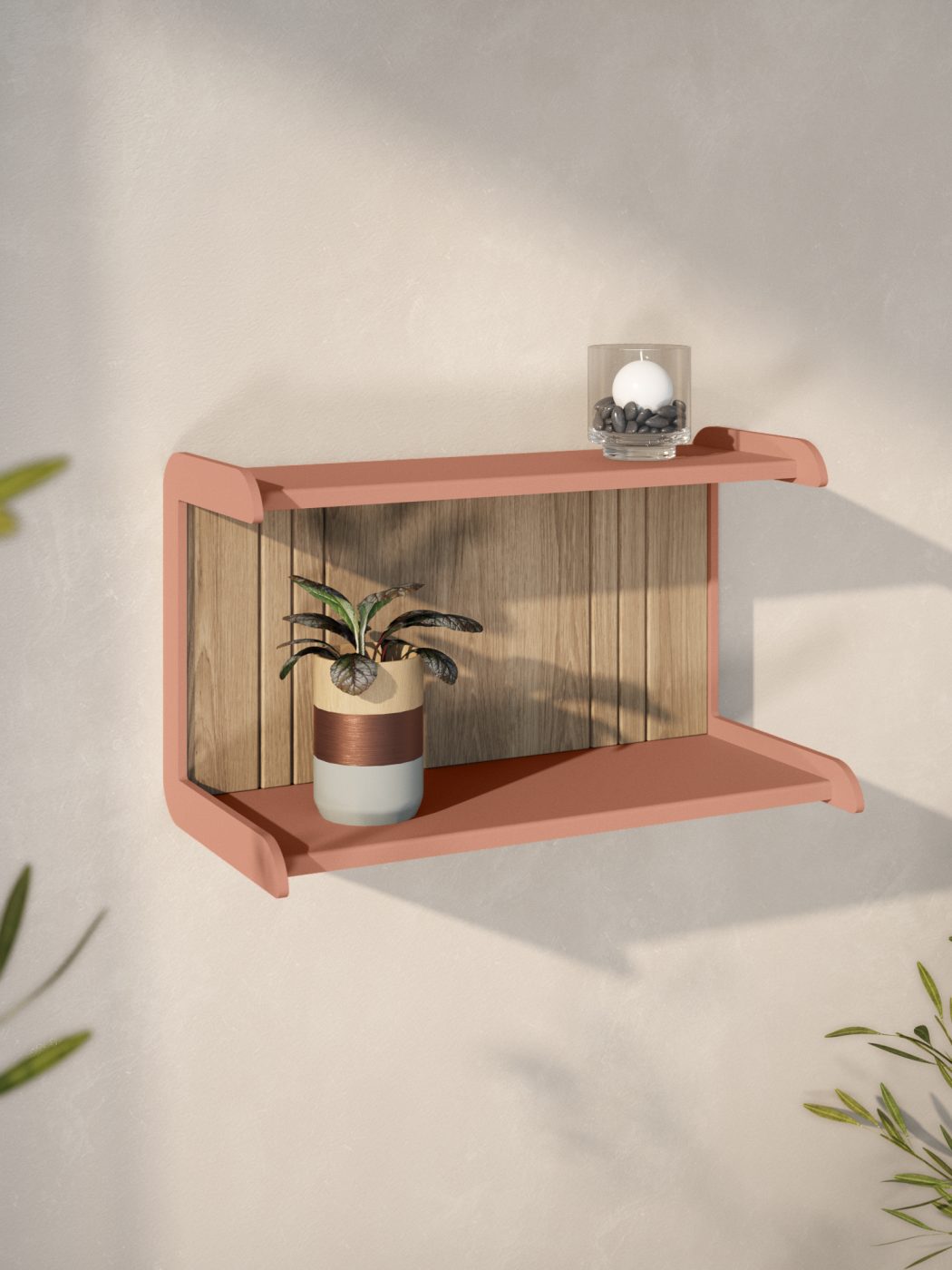
A floating shelf is one of the few pieces of furniture that genuinely works in almost any room, though the approach to styling it changes depending on where it goes. In the living room it’s a decor focal point, in the kitchen it’s practical storage, and in the bedroom it’s a discreet addition next to the nightstand.
This article goes room by room, with concrete layout ideas and the specific things worth paying attention to in each space.
Why floating shelves work well in almost any room
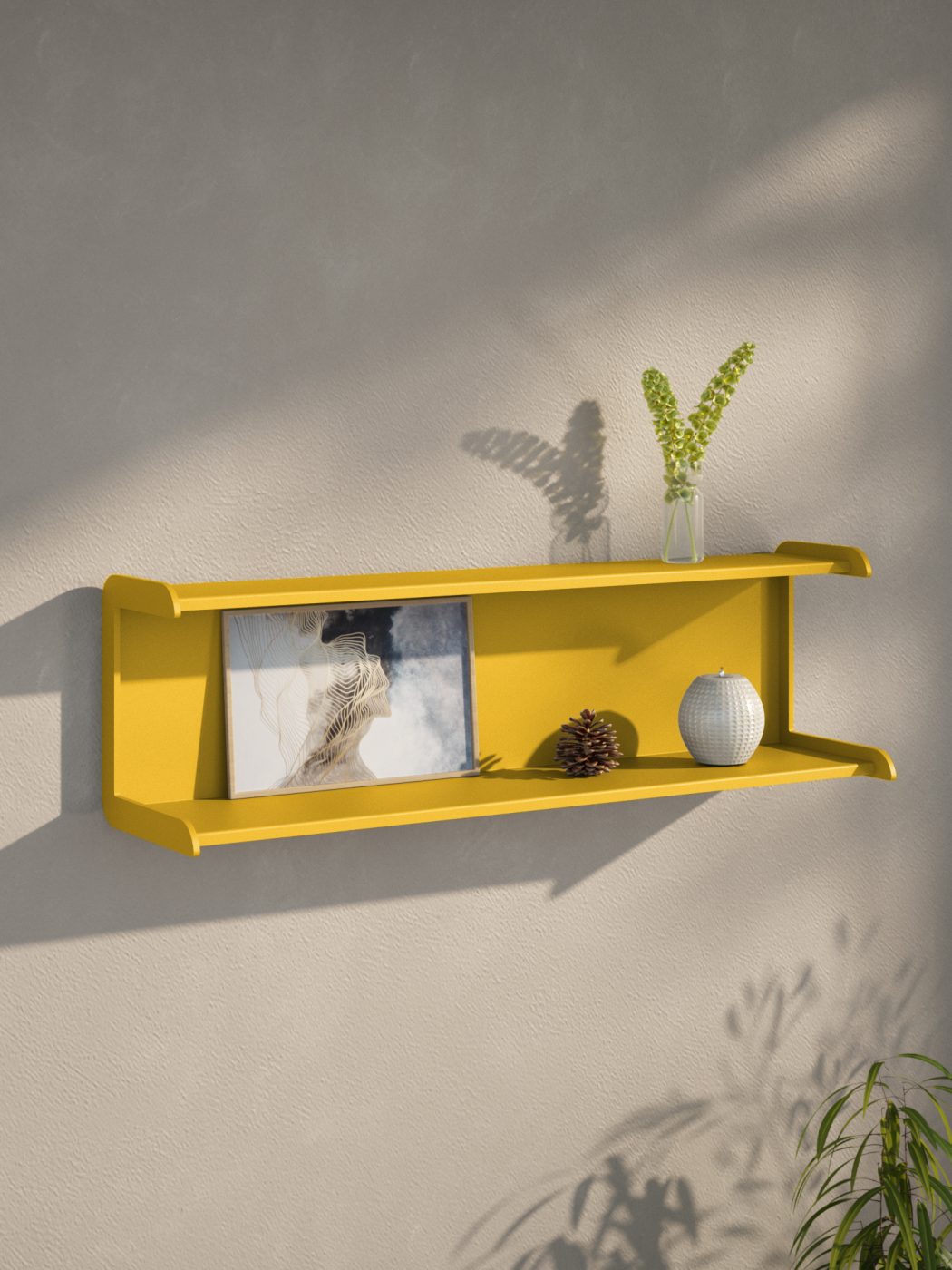
It’s no accident that floating shelves are so popular. Since they don’t take up any floor space, they work in smaller rooms where a cabinet or standing shelf unit would feel too bulky. On top of that, hidden mounting makes them look visually light, even when you’re dealing with a serious, high-capacity, premium metal version.
Another reason they’re so versatile is that you can think about them modularly. Instead of committing to one large piece of furniture, you can mix and match size, height and layout room by room, or even wall section by wall section, depending on the space and what you plan to put on it.
Floating shelves for the living room
The living room is where a floating shelf tends to play a decor-first role. The goal here usually isn’t maximum storage, but a visually balanced, characterful wall.
- Above or beside the TV, a floating shelf pairs well with a TV unit, giving room for decor or speakers without making the space feel cluttered.
- Next to a reading corner, a narrower shelf gives your current stack of books, and a small table lamp, a natural home.
- An asymmetric layout, with two or three shelves mounted at different heights, creates a far more interesting visual composition than a single long, symmetrical shelf.
In a living room, it’s worth mounting the shelf around eye level or slightly above, based on a seated viewing height. That’s the height people actually look at most during everyday use.
It’s also worth thinking about how the shelf’s color relates to your furniture. A black metal shelf creates a strong contrast against a light, neutral wall, while a white or natural-toned version blends more into the background and lets the items on it take center stage. If you already have a sofa or TV unit in a particular color, it usually makes sense to match the shelf’s tone to it for a more cohesive look.
Get inspired by modern living rooms and shelving solutions
Floating shelves for the kitchen
Kitchen floating shelves are mainly about practicality, where day-to-day usability matters more than pure design.
- Above the countertop, within easy reach, frequently used spices, dishes or small kitchen tools find a home and stay within arm’s reach while cooking.
- Open shelving makes a kitchen feel visually lighter than a wall of closed cabinets, especially in smaller kitchens where an open, uncluttered feel matters.
- Metal floating kitchen shelves are a particularly good choice, since metal doesn’t absorb odors and moisture the way a wood or MDF version can, which is a real advantage for hygiene over time.
In the kitchen, mounting the shelf around 40-50 cm above the countertop is a good rule, close enough to reach comfortably, but not so close that it gets in the way of the work surface.
If you cook regularly and get steam or splashes nearby, it’s worth choosing a shelf with a surface that’s easy to keep clean, since kitchen shelves come into contact with grease and condensation far more often than a living room or bedroom version. A smooth, powder-coated metal surface is considerably more practical in this regard than a grainy or porous wood finish.
Get inspired by modern kitchens and shelving solutions
Floating shelves for the bedroom
Shelves for bedroom use tend to play a smaller role, which is exactly why getting the placement right matters.
- Instead of, or next to, a nightstand, a smaller 40-60 cm shelf is a practical option if there isn’t room for a traditional nightstand, or you simply want a cleaner look.
- Above the bed, placed symmetrically, two smaller shelves can frame the bed nicely, with decor or plants.
- Next to a vanity or mirror, a narrow shelf gives you a spot for the smaller items you need during your daily routine.
In the bedroom, it’s worth avoiding overly packed shelves. The goal here is a calm, uncluttered feel rather than maximum storage.
A practical point worth considering: if the shelf is replacing a nightstand, think through your actual nighttime routine. It should be close enough to the bed that reaching for a glass of water or your phone feels natural, but not so low that it’s at head height when you’re getting up.
Get inspired by modern bedrooms and shelving solutions
Floating shelves for the bathroom
Bathroom floating shelves are typically smaller in size, and material choice matters a lot here because of the higher humidity levels.
- Above or beside the sink, for the products you reach for every day.
- Near the shower, in a water-resistant version, for shower gel and shampoo bottles.
- Metal floating shelves for the bathroom are a solid choice, since a properly finished metal surface holds up well against humidity and moisture, unlike an untreated wood shelf, which can warp over time.
It’s worth choosing mounting hardware that’s specifically rated for damp environments in the bathroom too, since standard wall anchors can corrode over time under high humidity, which can reduce weight capacity as well.
Get inspired by modern bathrooms and shelving solutions
Floating shelves for the hallway
The hallway is often an underrated space, but a well-placed floating shelf can genuinely improve both the function and the look of an entryway.
- Beside the entrance, combined with a key tray or bowl, giving everyday items like keys, wallets and sunglasses a proper spot.
- Under or beside a mirror, a narrow shelf is useful for last-minute adjustments before heading out.
- Above shoe storage, a longer shelf gives the entryway zone a clean visual finish from above.
Hallways also tend to be narrower than a living room or bedroom, so it’s especially important that the shelf doesn’t intrude into the walking path. A depth of around 15-20 cm is usually enough for most entryway needs.
Get inspired by modern hallways and shelving solutions
How many floating shelves do you need in a room?
This is one of the most common questions, and the answer varies by room, but a few general guidelines are worth keeping in mind.
- In smaller rooms (bedroom, hallway, bathroom), one shelf is usually enough, since the goal here isn’t maximizing storage but creating one well-placed, functional spot.
- In larger, multi-purpose spaces (living room, kitchen), 2-3 shelves can work well, mounted at different heights or side by side, as long as the wall size allows for it and there’s still enough negative space between them.
- Rule of thumb: it’s better to put up fewer, well-chosen shelves than too many, since an overcrowded wall tends to look chaotic regardless of how good each individual shelf looks.
Common mistakes when styling floating shelves
- Overcrowding a single shelf. A well-styled floating shelf always leaves negative space, empty room that visually calms the overall composition.
- Lining up items of the same height. This tends to look flat and monotonous. Mixing item heights makes for a more dynamic look.
- Getting the height wrong for the room. A height that works in a living room can feel too high in a bedroom, so always adjust based on the room’s function and existing furniture.
How to style a floating shelf
- Pick a focal point for the shelf, a larger object, vase or piece of art that the rest of the arrangement builds around.
- Vary the heights, avoid placing items of the same height next to each other.
- Mix materials and textures, for example a metal decor piece alongside something in wood or ceramic.
- Leave negative space, don’t fill the entire surface of the shelf.
- If possible, add a small accent light to highlight the shelf in the evening.
Browse our metal floating shelf collection and find the perfect fit for your space
FAQ
How high should a floating shelf be in a living room?
In a living room, it’s generally best to mount the shelf around eye level or slightly above, based on a seated viewing height. That’s the height people look at most during everyday use.
How many floating shelves do you need in a kitchen?
This depends on the kitchen’s size and storage needs, but in most kitchens 1-2 shelves are enough above a countertop zone, so the space doesn’t feel cluttered and everyday tools stay within reach.
Are floating shelves suitable for a bathroom?
Yes, but it’s worth choosing a material that handles humidity and moisture well. A properly finished metal shelf typically performs better in this environment than an untreated wood version.
What should you put on a bedroom floating shelf?
In a bedroom, practical choices include a lamp, a book, a few personal decor pieces, or smaller storage items if the shelf is replacing or supplementing a nightstand. The goal here is a calm, uncluttered look rather than maximum storage.
How do you style a floating shelf so it doesn’t look cluttered?
Leave negative space on the shelf rather than filling every inch. Choose items of varying heights, and arrange everything around a single focal point.
