


Modern TV Wall Ideas for Contemporary Living Rooms
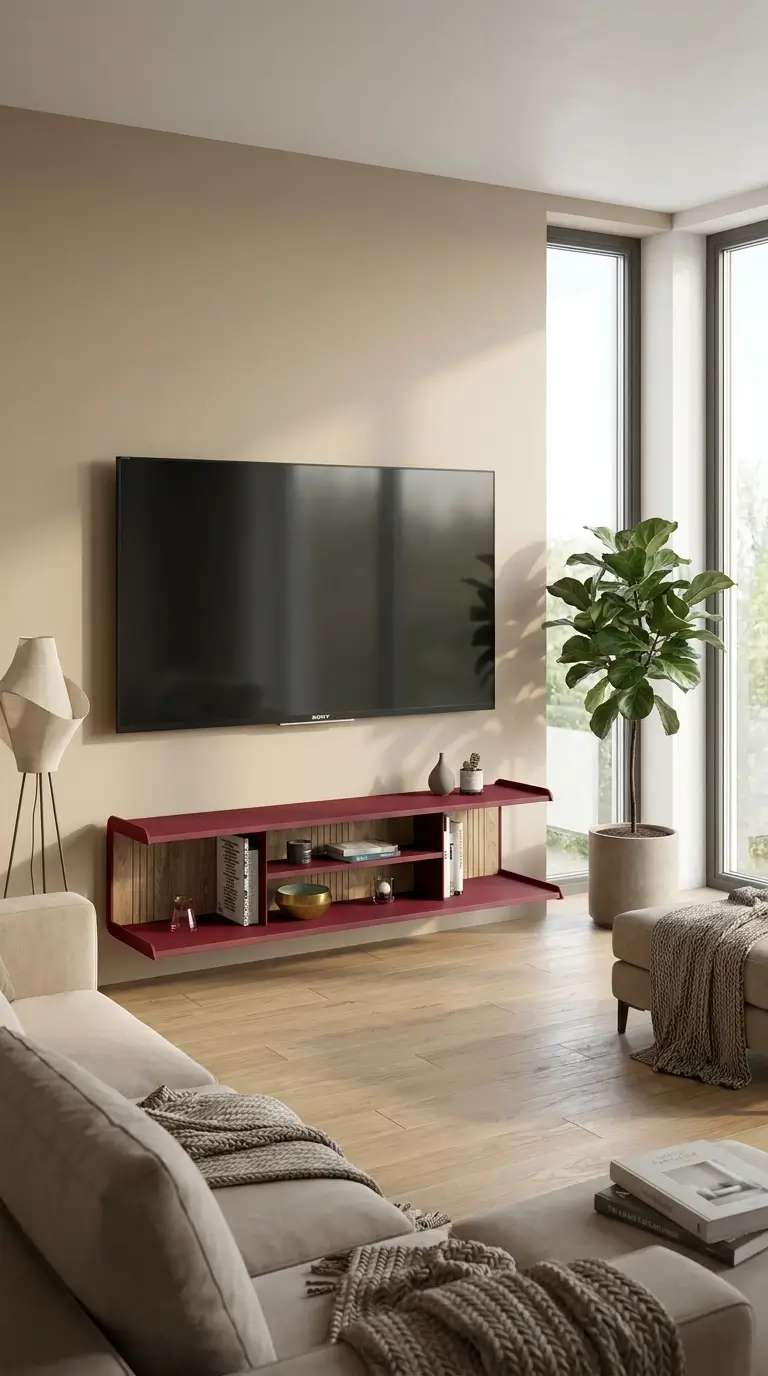
The TV wall has become one of the defining elements of the modern living room. More than simply a place to position a screen, it often serves as the visual anchor around which the entire room is organized. Its design influences the atmosphere, balance and overall character of the space, making it one of the most important considerations in contemporary interior design.
The role of television within the home has evolved significantly over the past decade. While it remains an important part of everyday life, homeowners increasingly seek ways to integrate technology seamlessly into their interiors rather than allowing it to dominate the room. Modern TV wall designs reflect this shift perfectly.
A well-designed TV wall is not simply about mounting a television. It is about creating visual harmony, connecting furniture and architectural elements, and establishing a living space that feels both functional and timeless.
The best solutions often appear effortless. They do not compete for attention, yet they naturally become the focal point of the room. This is precisely why TV walls have become such an important feature in contemporary living spaces.
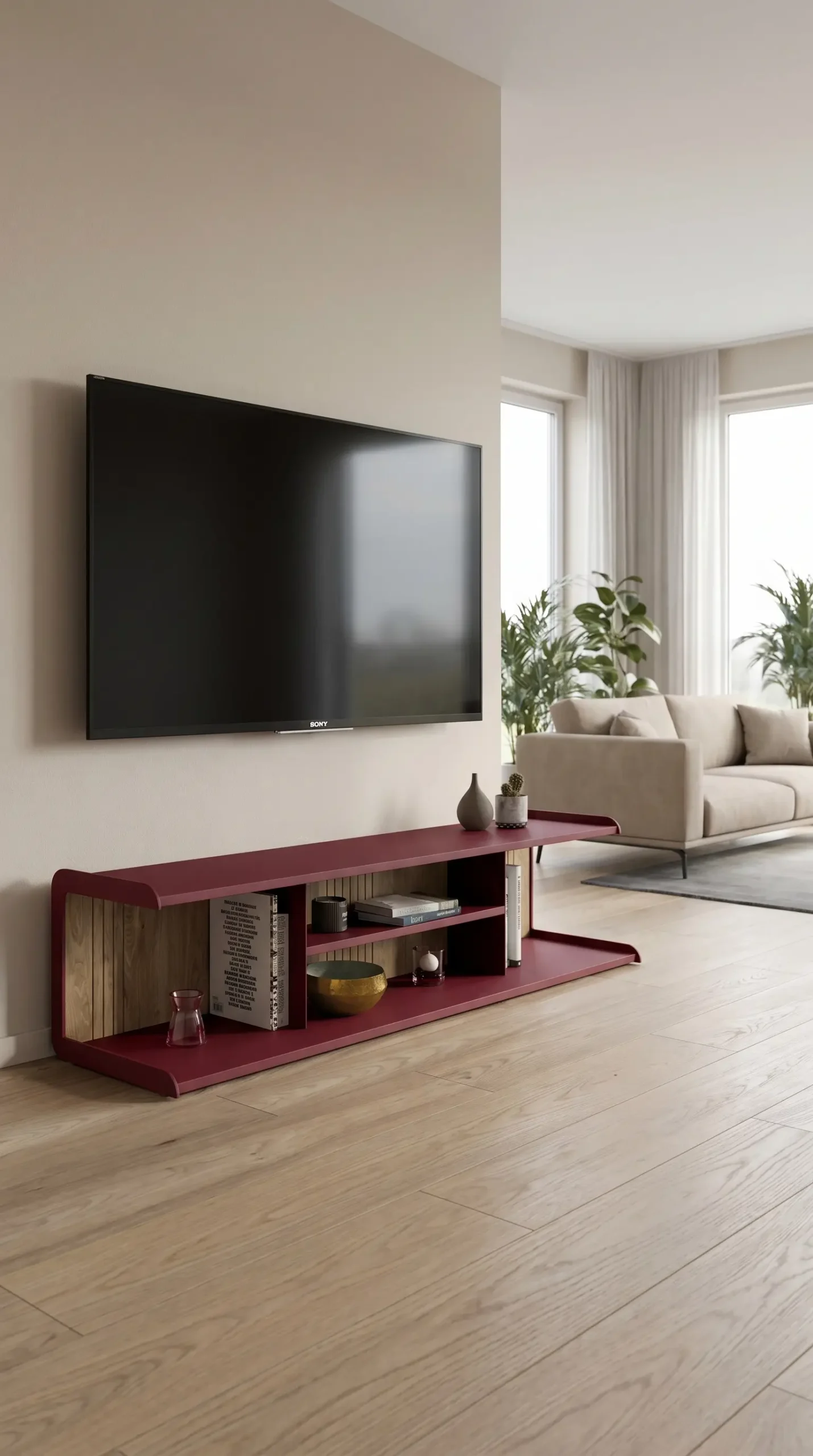
Why Has the TV Wall Become a Focal Point in Modern Living Rooms?
Living room design has become increasingly intentional. Rather than filling spaces with furniture, homeowners now focus on creating thoughtful compositions where every element contributes to the overall experience of the room.
Within this composition, the TV wall naturally draws attention. The eye is instinctively directed toward this area, which means its design has a significant impact on the visual balance of the entire space.
However, contemporary interiors no longer aim to make the television itself the dominant feature. Instead, the goal is to integrate technology into the living environment in a way that feels harmonious and unobtrusive.
Get inspired by contemporary living room interiors
This is one reason why floating TV units, concealed cable management systems, minimalist storage solutions and carefully curated arrangements have become increasingly popular. The emphasis is placed on creating a calm and cohesive environment rather than highlighting individual components.
In the most successful interiors, the TV wall feels like a natural extension of the room rather than a separate functional zone.
What Makes a TV Wall Timeless?
Interior design trends constantly evolve, yet certain principles remain relevant regardless of changing fashions.
One of the most important characteristics of a timeless TV wall is simplicity. Overly decorative arrangements, highly trend-driven solutions and excessive visual complexity often lose their appeal after only a few years.
Clean lines, balanced proportions and high-quality materials, on the other hand, continue to feel relevant over time.
The popularity of floating TV furniture illustrates this perfectly. By exposing more floor space, these designs create a lighter visual effect and contribute to a more open atmosphere. The same principle applies to minimalist wall shelves, which combine storage and display functions without overwhelming the room.
Timeless design is not about following trends. It is about choosing solutions that continue to feel elegant and functional for years to come.
The Role of Floating TV Units and Wall Shelves
Floating furniture has become one of the defining features of contemporary TV wall design. Its popularity extends beyond aesthetics and directly influences how spacious a room feels.
Wall-mounted TV units appear lighter than traditional floor-standing furniture. By leaving the floor visible, they create a sense of openness that is particularly valuable in smaller living rooms.
Floating shelves serve a similar purpose. They provide practical storage and display opportunities without adding unnecessary visual weight to the wall. Books, decorative objects and personal accessories can all be incorporated while maintaining a clean and sophisticated appearance.
One of the greatest challenges in modern interiors is balancing functionality with visual lightness. Floating furniture helps achieve exactly that.
The result is a living room that feels organized, functional and welcoming without appearing cluttered.
How to Create Visual Balance Around a TV Wall
When designing a TV wall, proportion is often more important than decoration.
Many homeowners automatically gravitate toward symmetrical arrangements, yet contemporary interiors frequently benefit from carefully considered asymmetry.
A floating TV unit may only require a small collection of shelves or a single larger decorative element to create balance. There is rarely a need to fill every section of the wall with furniture or accessories.
Visual harmony is less about symmetry and more about the relationship between mass, shape and empty space.
Negative space plays a critical role in contemporary design. Areas intentionally left empty help compositions feel calm, refined and sophisticated.
Rather than adding more objects, successful TV wall designs often focus on removing unnecessary visual distractions.
Which Materials Work Best for Modern TV Walls?
Material selection has a profound impact on the atmosphere of a living room.
Contemporary interiors increasingly favor matte finishes, powder-coated steel elements and subtle textures. These materials feel sophisticated, durable and easy to integrate into a wide variety of design styles.
Neutral color palettes also perform exceptionally well in TV wall compositions. Charcoal, black, warm grey tones and natural wood finishes create a calm visual foundation while highlighting the architectural qualities of the furniture itself.
The objective is not necessarily to create dramatic contrast but rather to establish a visual environment that remains comfortable and appealing over time.
In premium interiors, durability is equally important. Materials should not only look beautiful today but continue to age gracefully for years to come.
This long-term perspective is one of the defining characteristics of timeless interior design.
TV Wall Ideas for Small Living Rooms
Every design decision becomes more important when working with limited space. In smaller living rooms, the TV wall should contribute to openness rather than visual heaviness.
Floating furniture and wall-mounted shelving systems are particularly effective because they keep the floor visible and help the room appear larger than it actually is.
Color selection also plays an important role. Lighter tones, simple forms and uncluttered arrangements typically enhance the perception of space.
In compact interiors, thoughtful editing becomes essential. Choosing fewer but higher-quality pieces often creates a stronger result than filling the room with numerous decorative elements.
A carefully designed TV wall can help organize the entire living room, providing structure while maintaining a sense of openness and comfort.
Conclusion
A modern TV wall is far more than a location for a television. It is a central design element that influences the atmosphere, organization and visual balance of the living room.
The most successful solutions focus not on technology itself but on how the TV wall interacts with the surrounding interior. Floating furniture, thoughtful material choices, balanced proportions and restrained design all contribute to creating a living space that feels timeless and harmonious.
A well-designed TV wall does more than support everyday functionality. It becomes a natural part of the room’s identity, helping to create a calm and balanced environment that remains relevant for years to come.
FAQ – Modern TV Wall Ideas
How do you create a modern TV wall?
A modern TV wall should focus on simplicity, balance and integration with the overall interior design. Floating TV units, clean lines, concealed cables and carefully selected decorative elements help create a timeless and cohesive appearance.
What is the ideal height for mounting a television?
As a general rule, the center of the screen should sit close to eye level when seated. The exact height depends on the size of the television, viewing distance and seating arrangement.
What furniture works best with a modern TV wall?
Floating TV units, minimalist storage solutions and contemporary wall shelves are among the most effective options. They provide functionality while maintaining a light and uncluttered visual appearance.
Can a TV wall work in a small living room?
Yes. Floating furniture and wall-mounted shelves are particularly beneficial in smaller spaces because they leave more visible floor area and help create a more open feeling.
What type of shelving works best around a TV wall?
Floating shelves are one of the most popular choices. They provide storage and display space while maintaining a clean and modern aesthetic.
Which colors work best for modern TV walls?
Neutral tones such as charcoal, black, warm grey and natural wood finishes are excellent choices. They create a calm visual foundation and remain stylish over time.
Is open or closed storage better for a TV wall?
A combination of both often delivers the best results. Closed storage helps hide less attractive items, while open shelving provides opportunities to display books, artwork and decorative objects.
What makes a TV wall timeless?
Timeless TV walls are built around high-quality materials, balanced proportions and simple forms. Rather than following short-lived trends, they focus on enduring design principles that remain attractive for years.
