


Hallway furniture ideas: Smart storage & design for small and narrow spaces
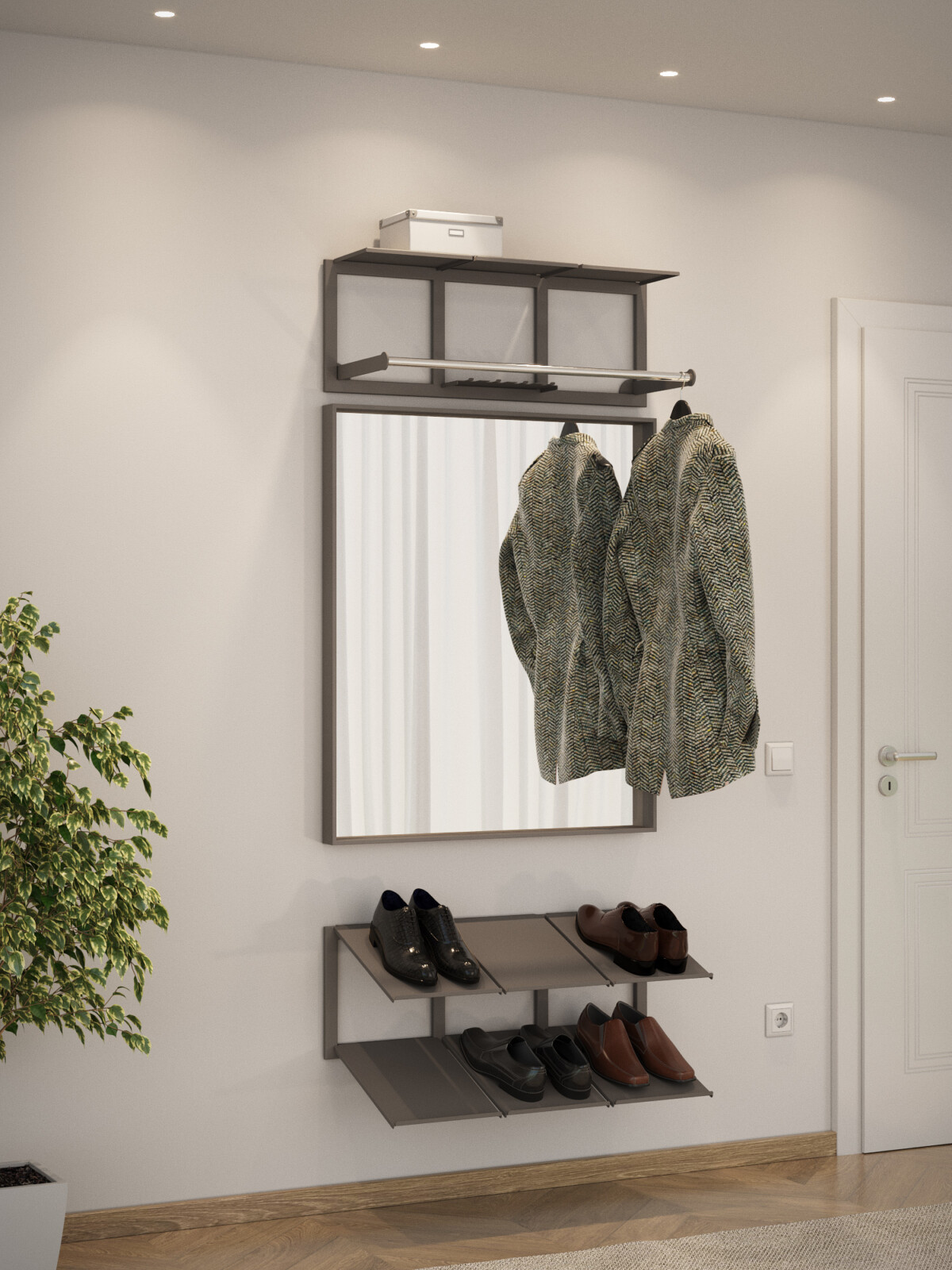
The hallway is the first space you experience and the last you leave – yet it is often the least considered. In many homes, it remains a purely functional zone, used daily but rarely designed with intention.
This is where one of the greatest design opportunities lies.
A well-designed hallway is not created through decoration, but through structure. It works when movement, storage and material choices align to create clarity and calm.
Hallway furniture is not decoration – it is a system that defines how a space works and how it feels.
What is hallway furniture?
Hallway furniture refers to functional and design-focused pieces used in entryways to organize movement, provide storage and maintain visual clarity. These include shoe racks, wall shelves, storage cabinets and modular systems.
Hallway furniture ideas for small spaces
Designing a small hallway is not about limitation – it is about precision.
Small hallway furniture must be selected carefully. Every element directly impacts how the space flows and feels. Oversized furniture interrupts movement. Too many pieces create visual noise. A lack of storage leads to clutter.
The goal is not to fit more – but to choose better.
In small spaces, clarity always outperforms quantity.
Small hallway furniture – When function defines the space
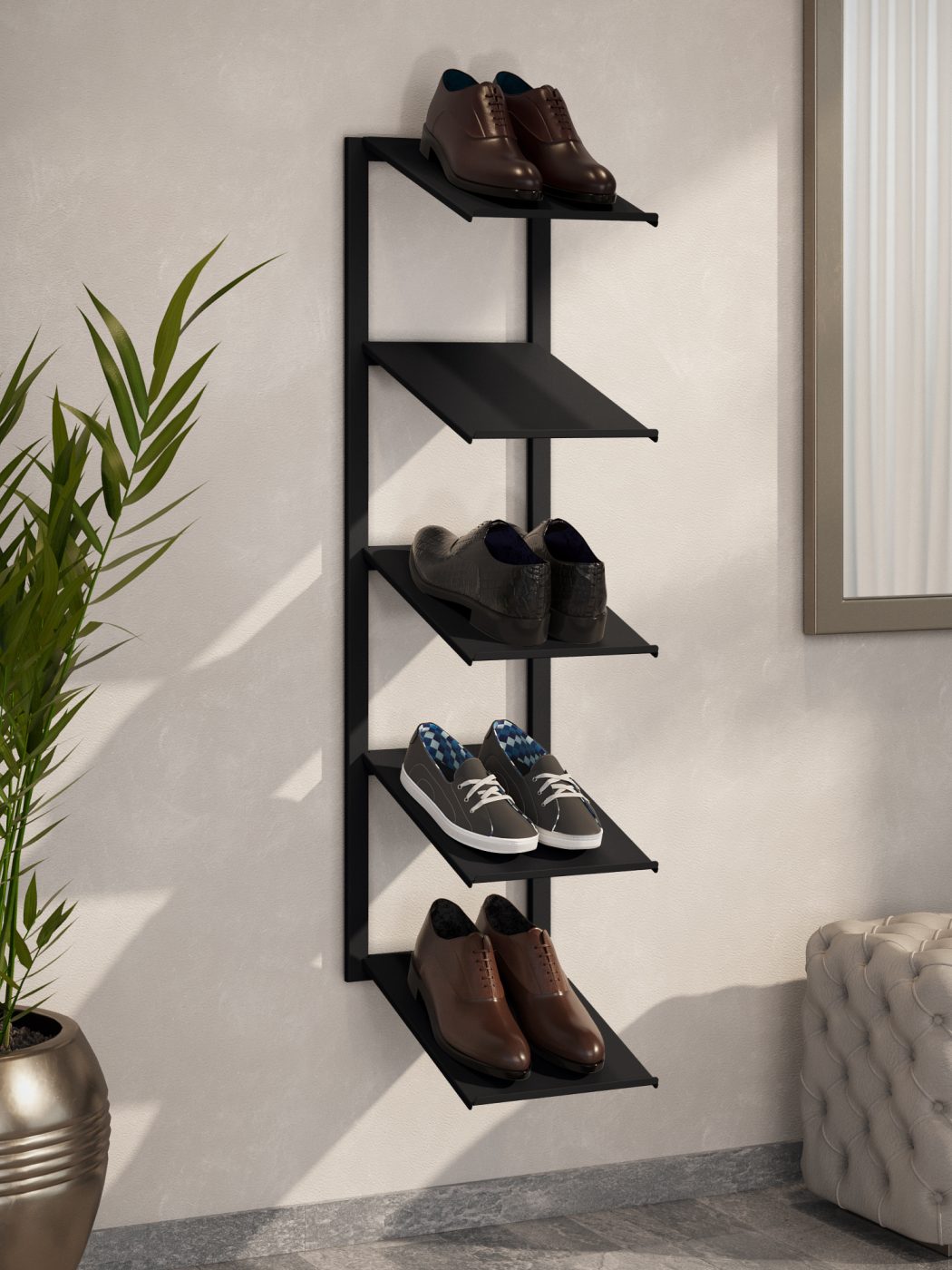
Small hallway furniture is designed to do more with less space. It brings together compact proportions, intelligent storage and a restrained visual presence to create a space that feels effortless rather than crowded.
In smaller entryways, every decision has a visible impact. Furniture is no longer just a practical addition – it actively shapes how the space is experienced. The depth of a cabinet influences movement. The openness of a shelf affects how calm or busy the space feels. Even the material choice contributes to whether the hallway appears light or heavy.
Well-designed small hallway furniture focuses on clarity. It avoids unnecessary volume, integrates storage where it is actually needed and maintains a visual balance that supports everyday use without constant adjustment.
Typical characteristics include:
- reduced depth that preserves movement
- integrated storage that eliminates visual clutter
- minimal visual footprint that keeps the space open
- adaptable configurations that grow with the space
Choosing the right piece is not about filling empty space – it is about defining how the hallway works, every single day.
Explore our modular hallway shelving system
Discover our metal shoe rack for small spaces
Narrow Hallway Furniture Solutions
Narrow hallway furniture is specifically designed for tight layouts where every centimeter matters. In these spaces, even small design decisions can have a noticeable impact on how the hallway feels and functions.
Depth and proportion become critical. Furniture that is too deep can interrupt movement and make the space feel constrained, while carefully scaled, slim pieces preserve flow and create a sense of openness without sacrificing functionality.
Rather than filling the space, the goal is to introduce structure with minimal visual weight.
Typical solutions include:
- shallow wall-mounted shelves
- slim shoe cabinets with clean fronts
- narrow console tables
- modular shelving systems that adapt to the layout
Metal furniture is especially effective in narrow hallways. Its clean lines and open structure create a sense of lightness, while still offering the stability needed for everyday use. It allows the space to feel defined without becoming visually heavy.
Hallway Storage Furniture Explained
Hallway storage furniture is the foundation of a well-functioning entryway. It creates the underlying structure that allows the space to remain both practical and visually calm over time.
It refers to integrated solutions that organize everyday items such as shoes, jackets, bags and accessories, while maintaining a clear and intentional layout. Without this structure, even high-quality furniture can quickly feel disordered.
Storage is not about capacity – it is about system. The goal is not to store more, but to create a place for everything.
A well-designed hallway combines:
- open storage → for accessibility and everyday use
- closed storage → for visual calm and reduced clutter
This balance creates a space that feels effortless, where order is maintained naturally rather than constantly managed.
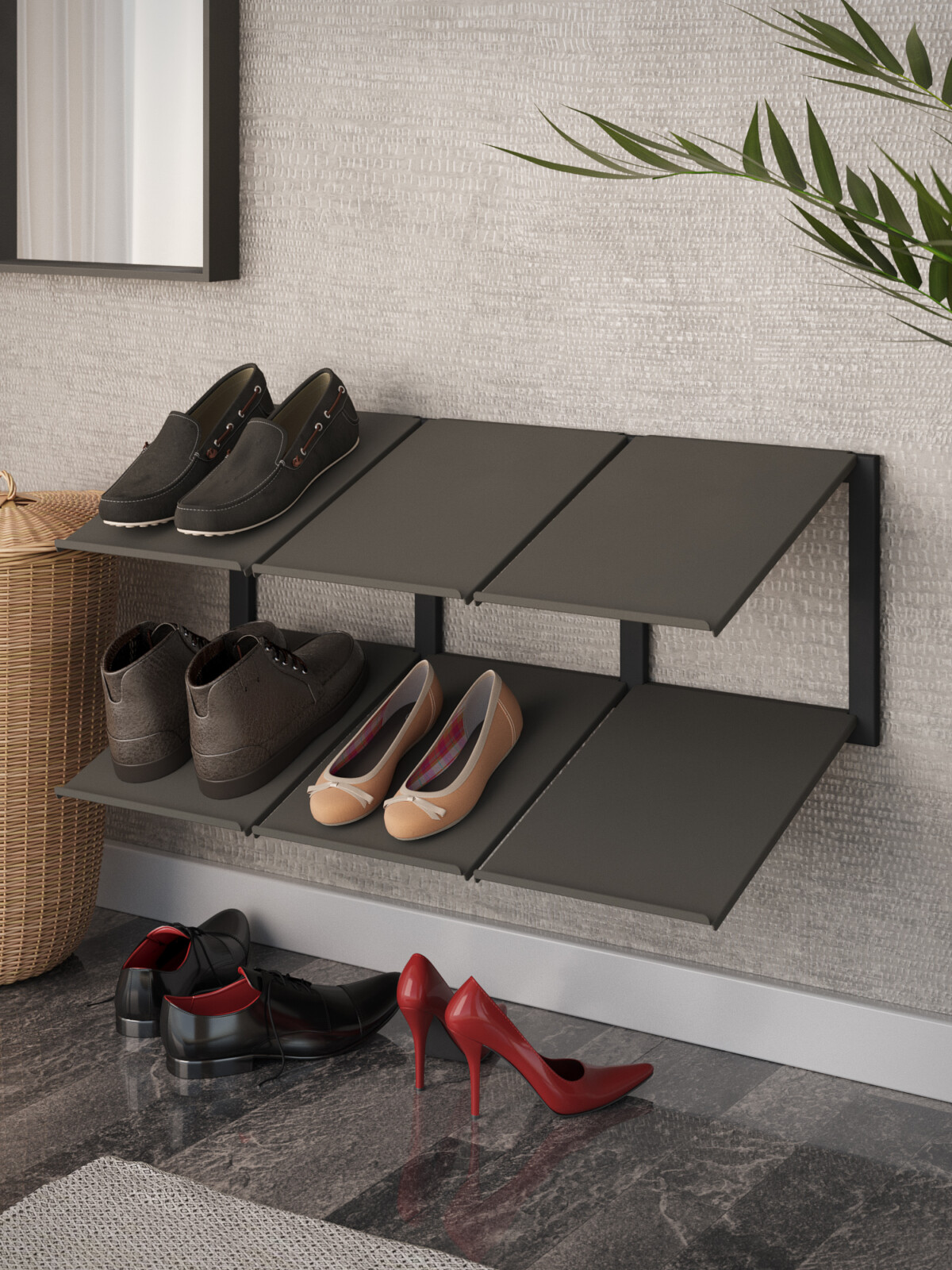
Essential Hallway Furniture Pieces
A functional hallway relies on a few carefully selected furniture types, each serving a clear purpose within the space. Rather than filling the area, these elements work together to create structure, maintain order and support everyday use.
- Shoe rack → organizes floor space and prevents items from spreading
- Shoe cabinet → reduces visual clutter and creates a cleaner overall look
- Wall shelf → uses vertical space efficiently while keeping essentials accessible
Additional elements can further enhance the functionality:
- modular shelving systems for flexibility
- compact storage units for small spaces
- minimalist consoles for light, structured surfaces
When combined thoughtfully, these pieces transform the hallway from a simple transition area into a functional and well-balanced part of the home.
Modern Hallway Furniture – Design Meets Architecture
Modern hallway furniture is defined by reduction, material quality and precision. It moves away from decoration and focuses on creating a space that feels intentional, balanced and effortlessly structured.
It is not about style—it is about intention. Every line, proportion and material choice contributes to how the hallway is perceived and experienced.
Modern hallway furniture combines function and architecture. It does not simply fill the space, but actively shapes it.
Materials play a key role in this:
- metal → adds structure, clarity and a precise, architectural feel
- wood → introduces warmth and creates a natural visual balance
Together, they create a refined and timeless atmosphere—one that feels calm, cohesive and built to last.
How to Choose the Right Hallway Furniture
Choosing the right hallway furniture is not just about aesthetics – it directly impacts how the space functions in everyday life. In smaller or narrower entryways especially, the wrong decision can quickly disrupt flow and create visual clutter.
When selecting hallway furniture, consider:
- depth → should not block movement or restrict circulation
- storage type → open vs. closed, depending on accessibility and visual clarity
- material → durability and visual weight within the space
- modularity → adaptability as your needs change over time
Choosing the right furniture is not about filling space – it is about improving how it works.
Small Apartment Entryway – Why It Matters
In small apartments, every space becomes strategic. There is no room for undefined areas – each zone needs to serve a clear purpose while contributing to the overall balance of the home.
The hallway connects movement, storage and first impressions. It acts as a transition point between spaces, but also as a functional hub where everyday routines begin and end.
When designed well, it improves not only the functionality of the hallway itself, but the flow and perceived order of the entire apartment.
Common Hallway Design Mistakes
Many hallway problems are not caused by a lack of space, but by a lack of planning. Small design decisions can quickly accumulate and affect how the space feels and functions on a daily basis.
Most hallway issues come from a few recurring mistakes:
- furniture too deep → disrupts movement and makes the space feel narrower
- missing storage → leads to visible clutter and constant disorder
- too many elements → creates visual overload and reduces clarity
- unused walls → wastes valuable vertical space
A well-designed hallway avoids these issues by focusing on structure, balance and intentional choices.
A hallway does not fail because it is small, but because it lacks clarity.
Hallway Organization Tips
A well-functioning hallway does not rely on strict rules, but on a few clear principles that can be applied to any space—regardless of size or layout.
- Prioritize movement → ensure clear pathways that allow natural flow
- Treat storage as a system → integrate it instead of adding it later
- Use vertical space → walls provide structure without taking up floor area
- Reduce furniture → fewer elements create more clarity
- Choose materials intentionally → they define the atmosphere and visual weight
When applied consistently, these principles create a hallway that not only looks refined, but works effortlessly in everyday life.
Frequently Asked Questions About Hallway Furniture
What furniture is essential in a hallway?
A functional hallway requires only a few well-chosen pieces. The most important are a shoe rack or shoe cabinet, a wall shelf and a compact storage solution. These elements organize the space, keep the floor clear and ensure that everyday items have a defined place.
What is the best solution for a small hallway?
The best solution for a small hallway is to focus on simplicity and proportion. Slim furniture, wall-mounted elements and integrated storage help maintain movement while keeping the space visually clean. Choosing fewer, well-designed pieces is more effective than adding more furniture.
How can I create more storage in a hallway?
Storage in a hallway is created through structure, not quantity. Using vertical space with wall shelves, adding modular systems and combining open and closed storage allows you to organize everyday items efficiently without overcrowding the space.
What makes hallway furniture look modern?
Modern hallway furniture is defined by clean lines, minimal forms and high-quality materials. Metal and wood combinations are particularly effective, creating a balance between structure and warmth. The focus is on clarity, not decoration.
How do you design a narrow hallway?
A narrow hallway should be designed with reduced depth furniture and a strong focus on flow. Wall-mounted solutions help keep the floor free, while slim storage elements provide functionality without restricting movement. Avoid bulky or oversized pieces.
Conclusion
A well-designed hallway is defined by clarity, not decoration.
Everything has a place. Nothing feels excessive.
It is not the number of furniture pieces that matters, but how they work together as a system. When movement, storage and material choices are aligned, the hallway becomes more than a transitional space – it becomes a natural extension of the home.
Hallway furniture, in this context, is not just functional. It shapes how the space is experienced, every single day.
