


Modern Hallway Ideas with Minimalist Design and Clean Layouts
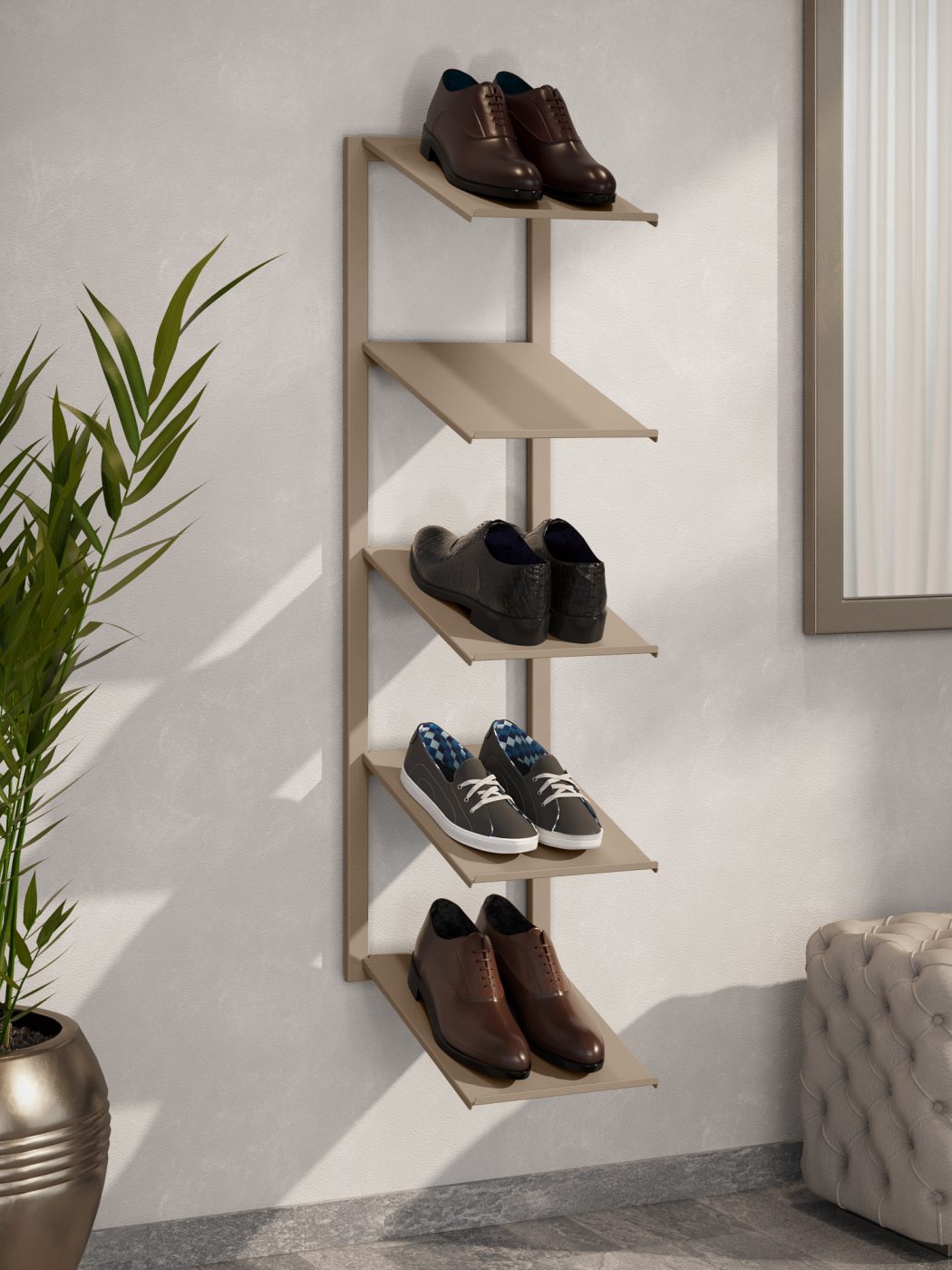
Most hallways simply function. Very few are intentionally designed.
The difference rarely comes down to size or the number of furniture pieces, but rather to how thoughtfully the space is planned. A modern hallway doesn’t try to be more than it is. It avoids unnecessary decoration, reduces visual noise and creates a calm, structured foundation for everyday life.
Good design doesn’t immediately stand out. But you feel it instantly.
Modern hallway design principles
A modern hallway is not built from style trends, but from decisions. Proportion, material selection and spatial structure work together to shape how the space is perceived.
The depth of furniture, for example, directly influences movement. Oversized elements restrict flow, while carefully chosen, slim pieces integrate naturally into the space. The same applies to layout: when movement, storage and visual clarity align, the hallway works effortlessly without constant adjustment.
A modern space is not defined by adding more, but by removing friction.
If you’re looking for more practical solutions for small or narrow spaces, explore our guide to practical hallway furniture ideas.
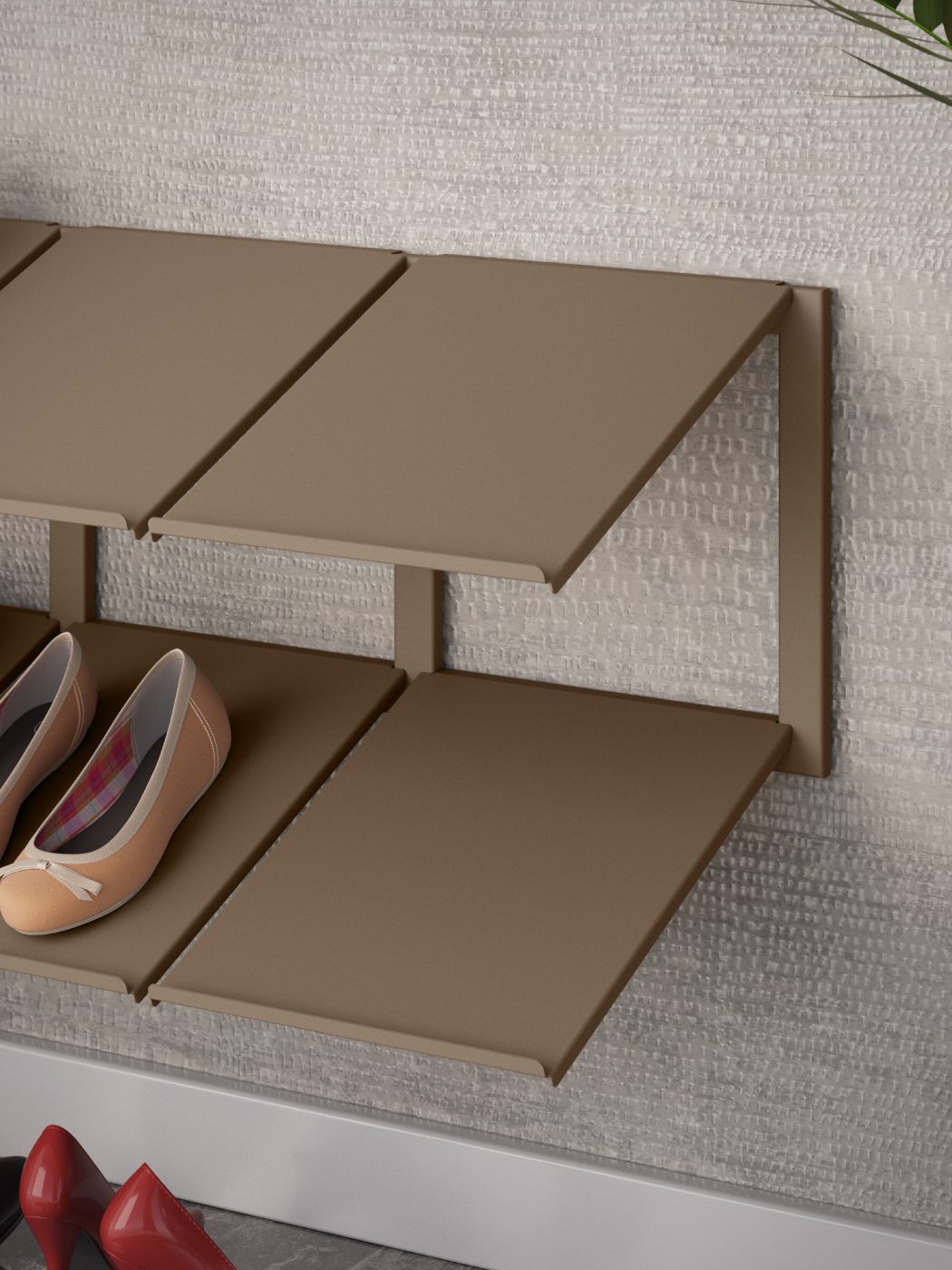
Minimalist hallway design
Minimalism is often misunderstood. It is not about having less, but about choosing better and more intentionally.
In a well-designed minimalist hallway, every element has a clear purpose. Nothing is there purely for decoration, and nothing competes for attention. The result is a space that feels calm, considered and easy to live with over time.
This kind of clarity becomes especially important in an area that is used multiple times a day. When movement feels natural and everyday objects have a defined place, the space begins to support daily routines instead of complicating them.
Minimalism reaches its full potential when order no longer needs to be created. It becomes a natural part of the space and is maintained without effort.
Materials in a modern hallway
Material selection is one of the most powerful design tools, even though it often goes unnoticed at first. In a hallway especially, where space is limited and every element is more visible, materials have a strong influence on how the space feels as a whole.
Metal introduces structure and precision. It feels clean and architectural, while still remaining visually light and controlled. Wood, on the other hand, brings warmth and softens the sharper qualities of modern materials. When these two are combined with intention, they create a balanced, refined atmosphere that feels both structured and inviting.
Surface finishes also play an important role. Matte textures create a softer, more restrained look, while subtle textures can add depth and character without overwhelming the space. These small details are often what make a hallway feel considered and comfortable over time.
Good material choices never try to dominate the space. Instead, they work quietly in the background and support the overall experience, making the design feel natural and complete.
Explore our modular hallway shelving system
Discover our metal shoe rack for small spaces
Visual foundations of a modern hallway
Colors in the hallway
Color is one of the first elements we perceive, often before we consciously begin to analyze a space. It sets the tone immediately and shapes how the hallway feels from the very first moment.
Light, neutral tones such as white, beige or soft grey create a sense of openness and help maintain visual calm. They are especially effective in smaller spaces, where every detail has an impact on how large or confined the hallway appears. These shades allow the space to feel lighter, more breathable and easier to navigate.
Darker tones, when used with intention, can introduce contrast and bring definition to the space. They can highlight architectural lines or anchor certain elements, giving the hallway more structure. The key, however, is balance. Modern hallway design is not about strong contrasts, but about carefully controlled proportions that feel natural and cohesive.
A well-chosen color palette does not dominate the space. It creates a quiet framework that allows everything else to fall into place effortlessly.
Lighting in the hallway
Lighting is often underestimated, yet it plays a fundamental role in shaping how a space feels. In a hallway, where natural light is often limited, it becomes even more important.
A well-lit hallway appears larger, cleaner and more structured. It improves not only visibility, but also the overall perception of the space. In addition to general lighting, layered light sources can be used to highlight specific areas, emphasize materials or subtly define architectural lines.
Warm lighting creates a welcoming and comfortable atmosphere, while cooler tones reinforce clarity and precision. The goal in modern design is not simply to add more light, but to use it thoughtfully so that it supports the space rather than overwhelming it.
Good lighting rarely draws attention to itself, yet without it, the space cannot function at its best.
Mirrors and spatial perception
Mirrors are more than simple functional objects. In a hallway, they play an important role in shaping how the space is perceived.
When placed thoughtfully, they reflect light, add depth and make the space feel more open. In narrow or darker hallways, this can have a noticeable impact, helping the room feel brighter and more balanced without adding any physical elements.
Modern design tends to favor simple, clean forms. Instead of decorative frames or statement pieces, mirrors are used in a more restrained way, becoming part of the overall spatial composition rather than standing out on their own.
A well-placed mirror does not just serve a practical purpose. It helps define the space and subtly improves how it is experienced.
Hallway storage with a modern approach
Most hallway problems are not caused by a lack of space, but by a lack of structure. Often, the issue is not how much room is available, but how that space is organized and used on a daily basis.
A modern approach focuses on creating systems rather than simply adding more furniture. Shoes, jackets, bags and everyday items all need clearly defined places. When these are missing, clutter builds up quickly. When they are in place, order becomes part of the space rather than something that has to be constantly managed.
Open and closed storage should work together to support this balance. Open storage allows for quick and easy access to frequently used items, while closed elements help reduce visual clutter and create a calmer overall impression. The relationship between the two plays a key role in whether a hallway feels controlled and cohesive or busy and overwhelming.
In a well-designed hallway, storage does not stand out as a separate function. It is integrated into the space in a way that feels natural, supporting both the look and the everyday use of the room.
Modern hallway furniture and its role
A modern hallway relies on a small number of essential furniture pieces, but each of them plays a clearly defined role within the space. Instead of filling the area, these elements work together to create structure, maintain order and support everyday use.
A shoe rack helps organize the floor and prevents items from spreading throughout the space. Wall-mounted elements free up the ground, making movement easier and giving the hallway a lighter, more open feel. Modular systems add another layer of flexibility, allowing the space to adapt over time as needs change.
What makes a modern hallway effective is not the number of furniture pieces, but the way they function together as a system. Each element contributes to the overall clarity of the space.
A well-chosen piece of furniture does more than simply fill empty space. It influences how the hallway is used, how it feels and how naturally it supports everyday routines.
Designing a small hallway in a modern way
Small hallways make every decision more visible. In a limited space, even minor choices can have a noticeable impact on how the hallway feels and functions.
Slim furniture, wall-mounted solutions and an efficient use of vertical space help maintain functionality without overcrowding the area. At the same time, visual simplicity becomes even more important. The fewer distractions and unnecessary elements there are, the more open and spacious the hallway appears.
Details such as proportions, spacing and clear lines play a much bigger role in smaller environments. When these are handled with intention, the space feels balanced rather than restricted.
A small hallway is not a limitation. It is an opportunity to design with precision and create a space that works effortlessly every day.
Common mistakes in modern hallways
Modern design can easily go wrong when principles are misunderstood.
Too many decorative elements, furniture without clear function or a lack of storage planning can quickly create visual chaos. Overdesigning a space often leads to the opposite of clarity.
A hallway does not work because it looks modern. It works because it is structured.
How to choose the right hallway furniture
Choosing furniture is not really about following a particular style, but about how the space is actually used every day. The goal is to find pieces that support the way you move through the hallway and interact with it on a daily basis.
It helps to think through how the space functions in practice. Furniture should allow for smooth movement, provide efficient and well-organized storage, and remain visually light so it does not overwhelm the area. At the same time, durability and adaptability are key, since a well-designed hallway needs to work not just now, but over time as needs change.
The best choices are rarely the ones that stand out immediately. They tend to blend into the space, yet they quietly shape how the hallway feels and how naturally it supports everyday routines.
Frequently Asked Questions About Modern Hallway Design
What defines a modern hallway?
A modern hallway is defined by clarity, functionality and intentional design. It avoids unnecessary elements and focuses on creating a structured space where movement, storage and materials work together seamlessly. The goal is not visual impact, but long-term usability and calm.
How can you design a small hallway in a modern way?
Designing a small hallway requires precision. Slim furniture, wall-mounted solutions and a clear layout help avoid overcrowding. Light colors, layered lighting and strategically placed mirrors can enhance the sense of space and improve overall flow.
What furniture works best in a modern hallway?
Furniture in a modern hallway should be minimal, functional and visually light. Modular systems, slim consoles and wall-mounted storage are especially effective. Each piece should support the space rather than dominate it.
Which materials are ideal for a minimalist hallway?
A combination of metal and wood works particularly well. Metal adds structure and precision, while wood introduces warmth and balance. Matte finishes and subtle textures enhance the calm and refined atmosphere.
How do you create more storage without cluttering the space?
Effective storage is about system, not quantity. Combining open and closed solutions allows for accessibility while maintaining visual order. When every item has a defined place, the space naturally stays organized.
Why is lighting so important in a hallway?
Lighting influences how space is perceived. A layered approach combining ambient and accent lighting creates depth and structure. Warm tones make the space more inviting, while cooler tones emphasize clarity.
Should you use mirrors in a hallway?
Yes, mirrors are one of the most effective ways to enhance spatial perception. They reflect light, create depth and make smaller spaces feel larger. In modern interiors, simple and clean designs work best.
Conclusion
A modern hallway does not try to stand out or draw attention to itself. Instead, it creates a sense of calm through clarity and balance.
It is structured, functional and easy to move through. Everything has its place, and nothing feels unnecessary or out of proportion. The design quietly recedes into the background, and that is exactly where its strength lies.
A well-designed hallway does more than improve the entryway. It influences how the entire home is experienced, setting the tone for every space that follows and shaping the rhythm of everyday life.
